Satiety Signals and Portion Awareness

Understanding the physiological mechanisms that signal fullness and the relationship between portion size and natural hunger cues.

Introduction

Satiety—the feeling of fullness—is regulated by complex physiological mechanisms involving hormones, neurological signals, and digestive processes. Understanding these mechanisms can provide useful context for recognizing our own hunger and fullness patterns without judgment or prescription.

Hormonal Regulation of Appetite

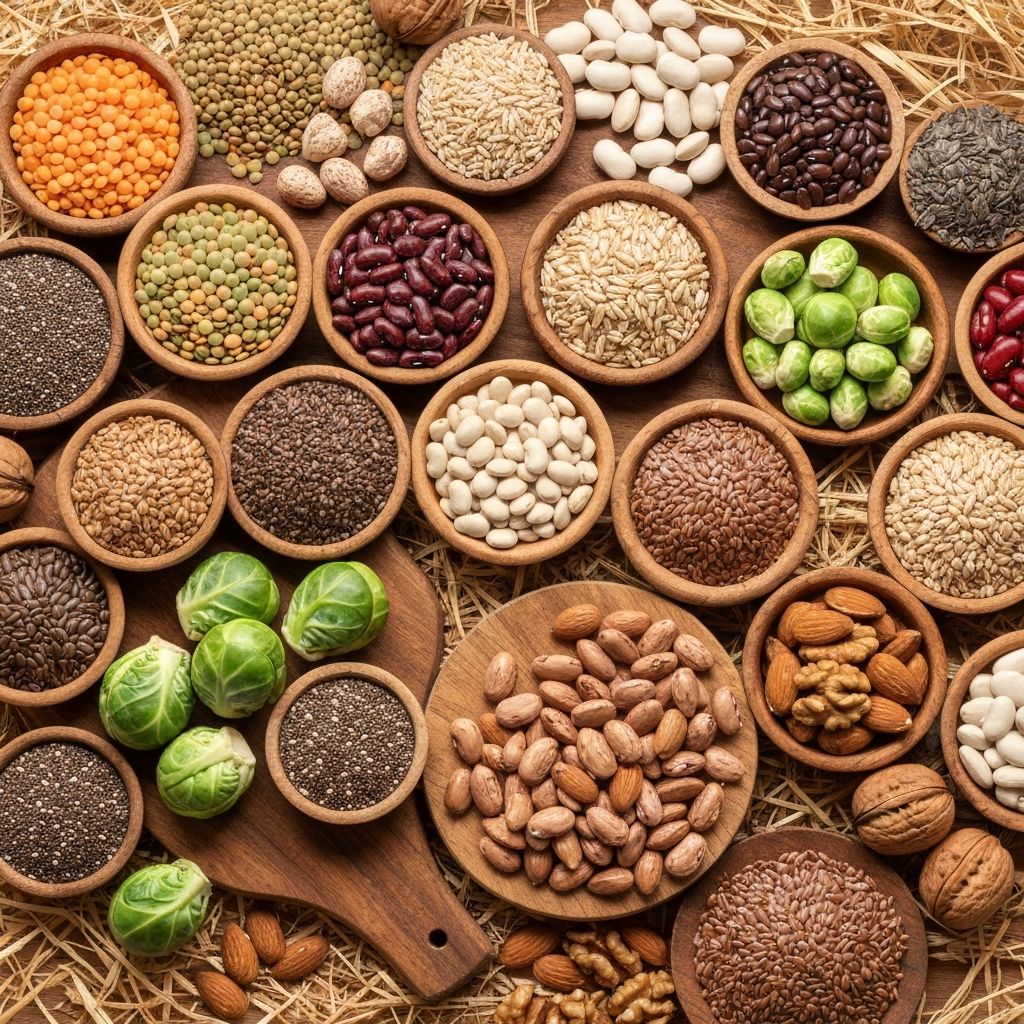
Fiber-rich foods like legumes, grains, and vegetables

Ghrelin: Often called the "hunger hormone," ghrelin is produced primarily in the stomach and increases appetite. Ghrelin levels rise before eating and decrease after food intake.

Leptin: Produced by fat cells, leptin signals satiety to the brain. Higher leptin levels typically reduce appetite. Interestingly, obesity is often associated with leptin resistance, where the brain's response to leptin is diminished.

Other hormones: Peptide YY, cholecystokinin (CCK), and glucagon-like peptide-1 (GLP-1) all contribute to satiety signaling. These hormones are released from the intestines in response to nutrient absorption.

The interplay between these hormones creates a dynamic system that fluctuates throughout the day and varies between individuals based on genetics, metabolism, health status, and eating patterns.

Gastric Stretch Receptors

In addition to hormonal signals, the stomach contains stretch receptors that detect how full the stomach is. When the stomach expands, these receptors send signals to the brain indicating fullness—independent of caloric content.

This is why high-volume, low-calorie foods (vegetables, broth-based soups, foods with high water content) can produce satiety signals even when caloric intake is modest. The opposite is also true: high-calorie, low-volume foods (oils, dense fats, concentrated carbohydrates) produce fewer stretch receptor signals.

This mechanism explains why food composition—not just quantity—influences how satisfied we feel after eating.

Nutrient Composition and Satiety

Fiber: Slows gastric emptying and increases stomach volume, producing strong satiety signals. Fiber does not provide calories in the traditional sense (the body cannot fully digest it), yet contributes to fullness.

Protein: Produces strong satiety signals and increases thermogenesis (energy required for digestion). Higher protein meals typically produce longer-lasting satiety than high-carbohydrate or high-fat meals.

Water content: Foods with high water content (vegetables, fruits, soups) expand the stomach and produce satiety signals. The same food dried or concentrated produces different satiety effects.

Fat: While calorie-dense, fats trigger CCK and other satiety signals. The relationship between fat consumption and satiety is complex; some research suggests moderate fat improves satiety, while excess fat may override satiety signaling.

Carbohydrates: The relationship between carbohydrates and satiety depends on type. Refined carbohydrates may produce weaker satiety signals than complex carbohydrates and whole grains.
Factors Influencing Satiety Beyond Portion Size

Eating rate: Slower eating allows satiety signals time to reach the brain, typically resulting in consuming less overall. Rapid eating may allow overconsumption before satiety signals register.

Attention during eating: Eating while distracted (screens, work, driving) reduces the conscious processing of satiety cues and often results in consuming more than when eating with full attention.

Food variety: Exposure to many different foods within a meal or eating occasion can prompt continued eating beyond satiety, a phenomenon called "sensory-specific satiety."

Stress and sleep: Poor sleep and chronic stress alter hormonal regulation, potentially increasing hunger signals and decreasing satiety signaling.

Individual factors: Genetics, age, metabolism, physical activity level, and health status all influence satiety response to identical portions.

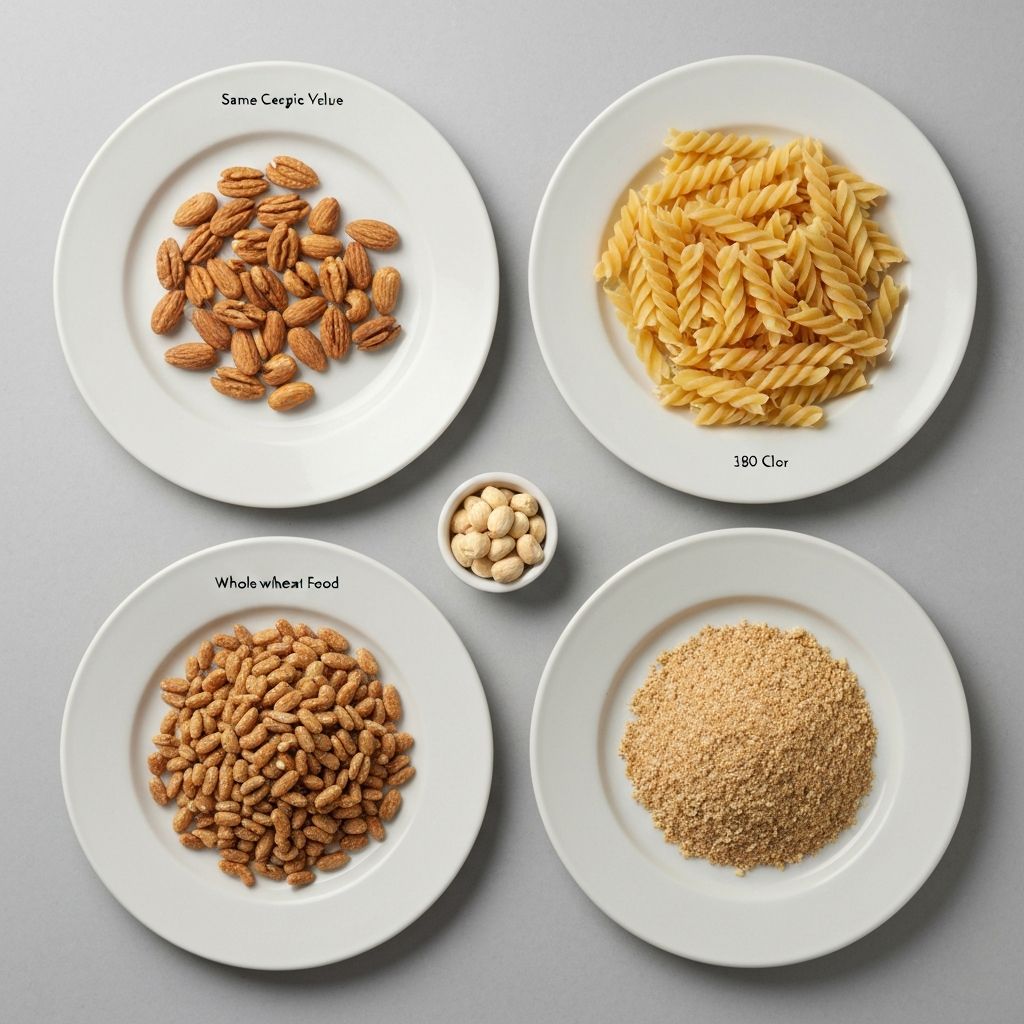
Different foods showing varying caloric density

Individual Variation in Satiety

One of the most important findings from satiety research is the vast individual variation. Some people are naturally more responsive to satiety signals, others less so. Some individuals need larger portions to feel satisfied, others feel satisfied with modest amounts.

This variation is influenced by genetics (hereditary differences in hormone sensitivity), health factors (diabetes, gastrointestinal conditions, medications), lifestyle (activity level, stress, sleep), and learned eating patterns.

What constitutes an appropriate portion is therefore fundamentally individual and cannot be determined by a single standard, regardless of portion size recommendations or visual methods.

Practical Context

Portion size is one factor among many: While portion quantity affects satiety, food composition, eating environment, speed of eating, and individual physiology matter considerably.

Awareness without judgment: Understanding satiety mechanisms can help you recognize your own hunger and fullness patterns without adopting rigid portion rules or external restrictions.

Food variety matters: Diets incorporating diverse, minimally processed foods with adequate fiber and protein typically support satiety better than processed foods regardless of portion size.

Individual customization: Because satiety is highly individual, developing personal awareness of what foods and portions feel satisfying is more useful than following universal guidelines.

Key Takeaways

Satiety is regulated through multiple interconnected physiological systems: hormones, stretch receptors, nutrient absorption, and individual factors. Portion size influences satiety, but so do food composition, eating environment, rate of eating, and individual physiology.

Understanding these mechanisms can provide useful context, but the most important factor is personal awareness of your own hunger and fullness signals—which is unique to you and varies based on circumstances.

Educational Information: This article explains physiological research about satiety. It does not constitute personal dietary advice or health recommendations. For personalized guidance about your eating patterns or health concerns, please consult a healthcare professional.
Back to Blog